Have you ever been caught in a Florida rainstorm without a poncho or spent the day with blistered feet because you wore the wrong shoes? March at Disney World is beautiful but unpredictable, and packing the wrong things can turn a magical vacation into an uncomfortable experience.

There is so much to love about March in Disney World, but the weather shifts dramatically throughout the day, the parks are crowded with spring breakers, and you will walk miles more than you think. Smart packing makes all the difference between a trip where you are constantly wishing you had brought something and one where you are comfortable and ready for anything.
March is one of the trickiest months to pack for Disney World. The weather can swing from 50 degrees at sunrise to 80 degrees by afternoon, and spring break crowds mean you will be on your feet all day navigating packed parks. You want to pack light enough to avoid airline fees but strategic enough to handle whatever the day throws at you. The good news is that with the right 15 items in your suitcase, you will be prepared for temperature changes, sudden rain showers, long walking days, and everything else that makes March at Disney World so unpredictable.
This post contains affiliate links for which I may earn a small commission, at no extra cost to you.
15 Disney World Essentials You Need to Pack for March

#1 Lightweight Rain Jacket or Poncho
March afternoons at Disney World often bring sudden thunderstorms that can drench you in minutes- and usually they are unpredictable and not on the weather radar. A compact rain jacket or disposable poncho protects you from getting soaked while waiting in outdoor queues or walking between attractions. The storms typically pass quickly, but standing in wet clothes for hours makes for a miserable park day (uggh wet sneakers).
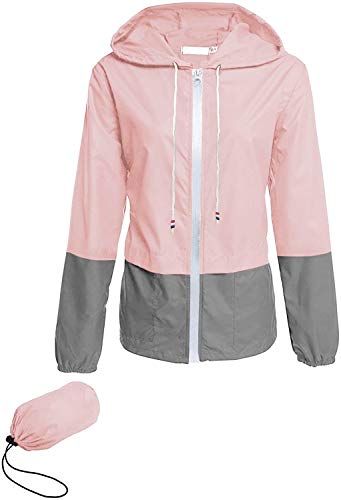
Look for rain gear that folds into a small pouch and fits easily in your park bag. Lightweight jackets work better than ponchos if you plan to wear them multiple times, plus they double as wind protection and warmth during cooler mornings, or in heavily air-conditioned restaurants. Ponchos cost less and take up almost no space, making them perfect if you want to pack one for each family member.
Money-Saving Tip: Disney sells ponchos in the parks for around $12 each, but you can buy multi-packs online for a fraction of that price before your trip. Bringing your own saves money and ensures you have protection the moment the first raindrop falls, rather than joining the long lines at merchandise locations when storms hit (and trust me those lines get long- and umbrellas and ponchos sell out fast).

#2 Comfortable Walking Shoes (Already Broken In)
You will walk between 10 to 15 miles per day (or more) at Disney World, and March crowds mean even more time on your feet navigating packed pathways and long queues. Comfortable, supportive shoes prevent blisters, foot pain, and the leg fatigue that can cut your park day short. Never bring brand-new shoes on a Disney trip, partiuclarly for a Spring Break Disney trip! See this blog to learn more about the best shoes for Disney.
Athletic shoes with good arch support work best for most people, though some prefer cushioned sandals with back straps, or even comfy flip flops (I know this sounds crazy but I have had perfectly comfy long days at Disney World in flip flops like Oofos- though your feet might get cold in March). Whatever you choose needs to be shoes you have already worn for several hours at home. Breaking in new shoes at Disney World leads to painful blisters that ruin the rest of your vacation.

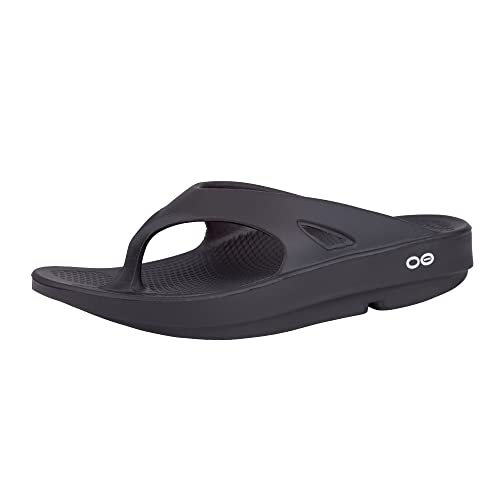

Pack a second pair of comfortable shoes so you can alternate daily, or if your shoes get wet during an unexpected storm. Switching shoes uses different pressure points on your feet and allows each pair to fully dry overnight, especially important during March when morning dew and afternoon rain can leave shoes damp.
Doctor-Recommended Strategy: Your feet swell throughout the day from all the walking, so shoes that fit perfectly in the morning might feel tight by evening. As a doctor I recommend trying on your Disney shoes at the end of the day when your feet are naturally more swollen to ensure they will remain comfortable even after hours of park touring.
#3 Refillable Water Bottle
Staying hydrated in Florida’s heat prevents headaches, fatigue, and crankiness that can derail your Disney day. March temperatures often reach the 80s by afternoon, and you will be sweating more than you realize while walking miles in the sun. A refillable water bottle saves money and keeps you drinking throughout the day.
Disney allows guests to bring their own water bottles into the parks, and you can refill them for free at water fountains and quick service restaurants. Lined stainless steel bottles keep water cold for hours, which tastes so much better than warm water on a hot afternoon. Some bottles even have built-in filters if you prefer filtered water.
Here are some of my favorites:
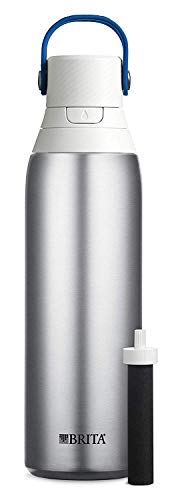

I love the Owala bottle, and they even make some Disney Princess color-themed options!
Aim to drink water consistently rather than waiting until you feel thirsty. Thirst means you are already starting to dehydrate, and playing catch-up while walking in the heat makes you feel sluggish. Keep your bottle accessible in your bag and take sips while waiting in lines.
Smart Sizing Advice: A 32-ounce bottle provides enough water to last between refill stops without being so large that it becomes heavy and annoying to carry. Anything smaller means constant refilling trips, while larger bottles add too much weight to your already heavy park bag and often do not fit in bag compartments or drink holders.
#4 Sunscreen (SPF 30 or Higher)
Florida sun is intense even in March, and a bad sunburn on day one ruins the rest of your vacation. You will spend most of your park time outdoors with limited shade, and the sun reflects off concrete pathways, making it even stronger. Sunscreen protects your skin and prevents the painful, exhausted feeling that comes with sun exposure.
Apply sunscreen 15 minutes before leaving your hotel room and reapply every two hours throughout the day. Most people forget to reapply and end up burned by late afternoon. Stick sunscreen works great for faces and makes reapplication easy without getting lotion all over your hands before touching your phone or eating (and remember that sprays can get annoying in crowds- it’s hard not to dowse your neighbor).
I like the natural options, particularly because they might drip into your mouth, and they are better for you overall.

SunBum comes in sprays, mists, lotion, balms and more!

Doctor Warning: Many people skip their ears, the back of their neck, the tops of their feet, and their hands when applying sunscreen, which are the exact spots that burn most painfully because the skin there is sensitive and gets constant sun exposure. These forgotten areas often hurt the worst and peel the most, so give them extra attention during each application.
#5 Portable Phone Charger
Your phone battery drains fast at Disney World between checking wait times on the app, taking photos, using mobile food ordering, and accessing your park tickets. Running out of battery means losing access to Lightning Lane reservations, dining reservations, and your ability to navigate the parks efficiently. A portable charger keeps you connected all day.
Look for a charger with at least 10,000 mAh capacity so it can fully recharge your phone twice. Smaller chargers die too quickly when you are in the parks from opening to fireworks. Some chargers have multiple USB ports, perfect if you are traveling with family who also need power throughout the day.
Here’s my favorite:

But I also love the new FuelRods- the old ones were convenient too as they have kiosks in every Disney Park to exchange for free- but the new ones actually hold a charge for a lot longer, though the initial fee for them is higher than before. I recommend buying them on Amazon to save a few bucks, then exchanging them when needed in the parks or resorts. Here’s a blog to show you where you can do that!
Charge your portable battery fully the night before each park day and keep your charging cable in your bag. You can recharge your phone while waiting in longer lines or during table service meals, and you will still have plenty of power left for nighttime shows and finding your way back to your hotel.
Power-User Strategy: Putting your phone in low-power or battery-saver mode when you arrive at the parks significantly extends battery life without affecting the features you actually need. You can still use the My Disney Experience app, take photos, and make dining reservations, but your phone will stop background app refreshing and other battery-draining processes you do not need during your park day.
#6 Layered Clothing Options
March mornings at Disney World can start in the 50s while afternoons reach the upper 70s or low 80s, creating a 30-degree temperature swing in a single day. Layered clothing lets you adjust throughout the day instead of being too cold at rope drop or too hot by lunch. This approach works much better than packing heavy jackets you will regret carrying.
Start with a light base layer like a t-shirt or tank, add a long-sleeve shirt, hoody or cardigan, and (if you tend to run cold like me) top it with a light jacket (or a rain jacket that serves double duty) for early morning. As temperatures rise, you can remove layers and stash them in your park bag. Choose lightweight fabrics that compress easily since you will likely be carrying these layers by midday.
Avoid cotton when possible since it holds moisture and takes forever to dry if you get caught in rain or sweat through it. Performance fabrics or athletic wear dry quickly and feel more comfortable throughout long park days. The right clothing choices keep you comfortable without adding too much bulk to your luggage.


Packing Hack: Neutral colors like black, gray, navy, and khaki make it easy to mix and match your layers throughout your trip without bringing as many clothing items. You can wear the same cardigan or jacket multiple days with different shirts underneath, cutting your overall packing needs in half while still having fresh outfits for photos.
#7 Comfortable Backpack or Crossbody Bag
You will carry snacks, water, sunscreen, rain gear, phone chargers, sunglasses, souvenirs and maybe a little first aid kit or extra pair or socks throughout your park day, and the wrong bag makes your shoulders and back ache. A comfortable bag with padded straps distributes weight evenly and keeps your hands free for holding onto kids, eating snacks, or taking photos. The right bag becomes essential after the first hour.
Crossbody bags work well for people who pack light and want easy access to their belongings. Backpacks hold more and balance weight across both shoulders, making them better for families or longer park days. Whatever style you choose needs to be something you have carried for hours before, not a new bag you are testing for the first time.
Make sure your bag has multiple compartments, or you pack multiple organized small packs or cubes, to organize items and keep your phone separate from your sunscreen. A water bottle pocket (or a water bottle with a little clip on it) on the outside provides quick access without digging through your entire bag. Security checks at park entrances go faster when your bag is organized and easy to search.


Disney-Specific Requirement: Disney bags must be smaller than 24 inches long by 15 inches wide by 18 inches high to pass through security, and bags will be visually inspected before you enter any park. Extremely large backpacks or bags with excessive compartments slow down the security process and might be subject to more thorough searching, so stick with a reasonably sized bag that meets the requirements and keeps the line moving.
#8 Blister Prevention Supplies
Even with the best shoes, all that walking in March heat creates friction that leads to painful blisters. Once a blister forms, it hurts for the rest of your trip and makes every step miserable. Prevention supplies stop blisters before they start and let you enjoy your vacation instead of limping through the parks.
Bring moleskin or blister prevention tape to apply to hot spots before they become blisters. The moment you feel any rubbing or discomfort, stop and apply protection to that area. Waiting even an hour can turn a minor irritation into a painful blister that sidelines you for days. Want a deep dive into preventing blisters at Disney? Check out this blog!
Anti-chafing balm like Body Glide works great on feet, between thighs, and anywhere else skin rubs against skin or fabric. Apply it in the morning before putting on shoes and reapply after your midday break. And you can try some of these blister blocking socks or tape.
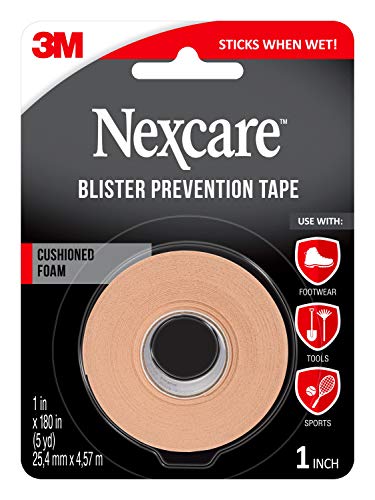


Disney Pro Tip: Bringing a small sheet of moleskin and tiny scissors in your park bag lets you cut custom-sized pieces that fit exactly where you need protection, rather than struggling with pre-cut bandages that never quite cover the right spot. You can also share with family members who develop their own hot spots, and a single sheet takes up almost no space in your bag. The scissors must be Child-safe scissors (blunt-tip), small scissors.
#9 Ziploc Bags in Various Sizes
Plastic bags or reusable packing bags protect your electronics during sudden rainstorms, keep wet swimsuits separate from dry clothes, and organize small items in your luggage. March rain comes without much warning, and a sealed bag saves your phone and portable charger from water damage. These simple bags solve dozens of problems throughout your trip.
Gallon-size bags fit phones, wallets, and park tickets perfectly. Quart-size bags work for snacks, first aid items, and charging cables. Bring more bags than you think you need because you will find new uses for them every day of your vacation.
Use bags to separate dirty clothes from clean ones in your suitcase, store souvenirs that might leak or break, and pack wet shoes after a rainstorm. They weigh nothing and take up minimal space but solve so many problems that you will wonder how you ever traveled without them.
Multipurpose Hack: A gallon Ziploc bag makes an excellent waterproof case for your phone on water rides like Tiana’s Bayou Adventure or Kali River Rapids (though they do have free lockers for this ride), protecting it from splashes and allowing you to still take photos through the clear plastic. The bag seals completely and costs pennies compared to buying a specialized waterproof phone case just for vacation.
#10 Hat or Visor with Good Coverage
Protecting your face and head from Florida sun prevents painful burns on your scalp, forehead, and nose. A hat also keeps sun out of your eyes during outdoor shows and makes those long waits in outdoor queues much more comfortable. This single item dramatically improves your comfort during midday heat.
Baseball caps work fine, but do not protect your ears or neck. Wide-brimmed hats offer better coverage but can be annoying on rides or in crowds. Visors keep your head cooler than full hats while still protecting your face, making them a good middle ground for people who overheat easily.
Choose a hat that fits snugly enough to stay on during windy conditions or faster rides. Hats that blow off constantly become more annoying than helpful, and you risk losing them on attractions. Some people attach their hats to their bags with clips when going on rides rather than leaving them in the ride storage areas.
Don’t be a Hot-Head Tip: Hats made from moisture-wicking or lightweight mesh materials feel dramatically cooler than standard cotton caps in Florida humidity. Your head releases a lot of heat, and a breathable hat lets that heat escape instead of trapping it, keeping you comfortable even during the hottest parts of the afternoon when temperatures peak.
#11 Snacks and Easy-to-Carry Food
Disney allows guests to bring their own food into the parks (which I love), and having snacks prevents hanger, saves money, and keeps energy levels stable throughout long park days. March crowds mean longer waits for food, and having your own snacks means you can eat whenever you need to without stopping your touring plans.
Pack protein bars, trail mix, crackers, fruit pouches, and other non-perishable items that travel well in Florida heat. Avoid chocolate or anything that melts since your bag will get warm throughout the day. Individual packaging works better than large bags since you can grab exactly what you need without digging around.


Eating small snacks throughout the day maintains your blood sugar better than waiting for big meals, which prevents the energy crashes and crankiness that make everyone miserable. This matters even more for kids who need fuel to keep up with all of the walking and excitement.
Budget-Conscious Reality: A family of four can easily spend $15 to $20+ per person just on snacks and drinks throughout a single park day if they buy everything at Disney prices. Bringing your own snacks from grocery stores or packing items from home cuts this cost to just a few dollars while giving you healthier options than the sugary treats sold at every merchandise location. Have your groceries delivered to save money and time!
#12 Sunglasses with UV Protection
Bright Florida sunshine strains your eyes and causes headaches if you squint all day. Quality sunglasses protect your eyes from UV damage and make outdoor attractions, shows, and walking between lands much more comfortable. This is especially important during March when the sun angle creates intense glare.
Make sure your sunglasses have 100% UV protection to actually protect your eyes rather than just looking cool.
Bring a case or microfiber cloth to clean your sunglasses throughout the day. Sunscreen, sweat, and fingerprints smudge lenses constantly, and you want to be able to see clearly for parades, shows, and taking photos. Keeping them clean also prevents eye strain from looking through dirty lenses all day.
Practical Backup Plan: Bringing an inexpensive (but decent UV protection) second pair of sunglasses in your luggage saves your vacation if your main pair breaks or gets lost on a ride. Quality sunglasses can cost over $100, and replacing them at Disney or going without for the rest of your trip both create problems that a cheap backup pair completely prevents.
#13 Small First Aid Kit
Minor injuries happen constantly at theme parks, and having basic supplies prevents small problems from ruining your day. A few bandages, pain relievers, and antacids take up almost no space but solve the most common issues that send families back to their hotel early or to the First Aid station.
Pack adhesive bandages in multiple sizes, pain reliever like ibuprofen or acetaminophen, antacid tablets, anti-diarrheal medication, and any personal prescriptions you take regularly. Add tweezers for splinters, electrolytes for sweating and water loss, antibiotic ointment for cuts, and anti-itch cream for bug bites. These items address 90% of the medical issues you might encounter.
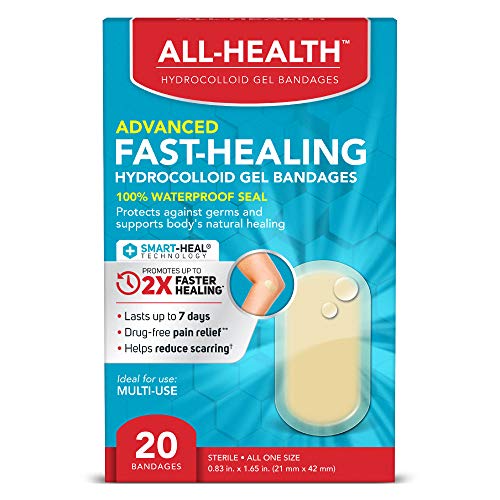
Keep everything in a small zippered pouch that stays in your park bag so you always have it available. Taking a pain reliever at the first sign of a headache prevents it from becoming debilitating. Treating a blister immediately stops it from getting worse. Quick responses to minor issues keep your day on track.
Parent-Tested Essential: Children’s pain reliever and fever reducer becomes critical if a child develops a headache, fever, or other discomfort during your park day. Having it immediately available means you can treat symptoms right away rather than leaving the parks, finding a pharmacy, and losing hours of your vacation to something that a single dose of medicine could have solved.
#14 Lightweight Cooling Towel and/or Misting Fan
March temperatures can reach the 80s, and the combination of heat, humidity, and constant sun exposure wears you down faster than you expect. Cooling towels provide instant relief when you wet them and drape them around your neck. This simple item helps you stay longer in the parks instead of retreating to air conditioning.
These towels work through evaporation, staying cool for hours as long as they remain damp. You can rewet them at any water fountain or bathroom sink throughout the day. They take up minimal space in your bag and weigh almost nothing, but the cooling effect feels amazing during hot afternoons.
Drape them around your neck, or use the misting fans, during outdoor queues, while watching parades, or any time you start feeling overheated. Kids especially benefit from cooling towels since they often do not recognize heat exhaustion symptoms until they feel really sick.

There's also other Disney character patterns too!

Science Behind the Relief: Your neck contains major blood vessels close to the skin surface, so cooling this area actually lowers your overall body temperature more efficiently than cooling other body parts. The cooled blood circulates through your entire system, creating a whole-body cooling effect that feels more refreshing than you would expect from such a small towel.
#15 Park Bag Rain Cover or Dry Bag
Protecting your bag contents during March rainstorms keeps phones, chargers, wallets, and snacks dry and functional. A wet phone or ruined charger creates problems that last the entire trip. A simple rain cover or small dry bag solves this problem and costs just a few dollars.
Many backpacks come with built-in rain covers that store in a small pocket. If yours does not have one, you can buy universal covers that fit most bag sizes. Alternatively, pack a lightweight dry bag inside your regular bag and transfer essential electronics into it when rain starts.
The seconds it takes to cover your bag or move items to a dry bag save you from the frustration of dealing with water-damaged electronics or soaked belongings. March storms can be intense even though they pass quickly, and your bag will get drenched if left unprotected.
Disney Pro Hack: Many experienced Disney guests keep their most valuable items (phone, wallet, park tickets, portable charger) in a gallon Ziploc bag or reusable waterproof bag inside their main park bag at all times, even when no rain is expected. This double protection means even if rain soaks through your bag or you accidentally set it down in a puddle, your essential items stay completely dry and functional.
Bonus Tips for Your Disney Spring Break Trip
Spring break crowds in March can be intense, so strategy matters. Plan to arrive 45 minutes before rope drop or Early Entry, depending on which you qualify for, since the first 60–90 minutes of the day are often the lowest wait times you’ll see (though the really popular rides get long lines early so they may drop later). Early Entry is available to guests staying at Disney-owned resorts and select Good Neighbor hotels, giving them a valuable head start on popular attractions. Mobile ordering meals can save significant time during peak lunch and dinner windows, and a portable phone charger is essential since you’ll rely on your phone more than usual. Consider a midday break—returning to your resort for pool time or a nap, enjoying indoor shows, or scheduling sit-down meals—to avoid the most congested hours and keep energy up for evenings in the parks.
Spring Break Tip: Arrive 45 minutes before rope drop or Early Entry to stay ahead of peak spring break crowds—those first 60–90 minutes can save you hours in line.
The Wrap Up
Packing smart for Disney World in March sets you up for comfortable park days, rather than situations where you wish you had brought something. The weather will change, the crowds will test your patience, and you will walk farther than expected, but having these must-have items means you can be ready for anything.
After multiple March trips to Disney World, I genuinely believe preparation matters more than people think. You can have the best touring plan and the most expensive park tickets, but if your feet hurt, you are sunburned, and your phone is dead, you will not have fun. These 15 items have saved my trips more times than I can count!

Shelley has been going on Walt Disney World trips since she was a toddler growing up in South Florida. Since then, she has expanded her interests and passion to include Disneyland and runDisney trips. She is a Disney College of Knowledge-certified Travel Planner, runner, Physician, mom of three, and all-around Disney fan. She believes the magic is in the details of any Disney or runDisney trip!



Leave a Reply
You must be logged in to post a comment.