Love the magic of a Disney Vacation and wondering is Disney Vacation Club worth it? As a DVC member for over 9 years I will break it all down, let’s dive into some numbers and DVC details!

You’ve sat through the Disney Vacation Club presentation, and now your head is spinning with promises of deluxe accommodations, lifetime vacations, and family memories that span generations.
The sales pitch sounds perfect. Lock in today’s prices, enjoy spacious villas with full kitchens, and never worry about hotel costs again. But between the initial purchase price, climbing annual dues, and booking restrictions, the numbers start to blur. You’re wondering whether DVC is a smart investment or an expensive commitment that ties you to a single vacation style for decades.
Most families make this decision based on emotion, not math. They fall in love with the idea of guaranteed Disney trips without running the calculations on break-even timelines or comparing the cost of simply renting points from current owners.
Here’s everything you need to know before signing anything.
What Is Disney Vacation Club? (Quick Explanation)
Disney Vacation Club is Disney’s take on a timeshare, but instead of buying a specific week at a specific resort, you buy points that work like vacation currency.
Those points let you book stays at DVC (Disney Vacation Club) resorts across Walt Disney World, Disneyland, Aulani in Hawaii, Hilton Head, Vero Beach, and even some international properties through exchange programs. You own a real estate interest in a specific home resort, but your points give you flexibility to book at other DVC properties based on availability (and that’s a big one to keep track of, more about this later).
Your points refresh annually, and you can bank them to the next year or borrow from the following year to book longer trips. The more points you own, the more nights you can book. Studio rooms cost fewer points than one-bedroom or two-bedroom villas, and peak seasons like Christmas or spring break cost significantly more points per night than off-season dates in September or January.
Unlike a traditional hotel reservation, you’re not paying per night. You’re spending points you already own, but you still owe annual dues whether you use your points or not. This model works beautifully for families who visit Disney multiple times per year and prefer deluxe accommodations, but it can become a financial anchor for families whose travel habits change over time.
How Much Does DVC Actually Cost?
The sticker shock starts with the initial purchase, and it only grows from there.
Upfront Purchase Price
Buying directly from Disney typically costs between $200 to $250 per point depending on the resort. Most families purchase between 150 to 200 points, putting the upfront cost somewhere between $30,000 to $50,000. Financing is available, but interest rates can push the total cost even higher.
The minimum number of points you can buy as of 2026 is 100. But, keep in mind you can’t get access to perks unless you buy 150 point minimum. The perks are subject to change at any point, however, and currently include complimentary Moonlight Magic events (hard to book) at various parks, in park DVC lounges with complimentary sodas and snacks (based on availability and waits can be long), and various activities at the resort which may or may not include a fee.
You can also buy resale contracts from current owners looking to sell, which drops the price to around $100 to $150 per point. The trade-off is that some resale contracts lose access to some other perks, like booking at certain newer resorts or exchanging points through RCI.
Annual Dues
Every DVC member pays annual dues that cover property maintenance, housekeeping, property taxes, and resort operations. These dues are charged per point, and they increase almost every single year. As of 2026, annual dues average around $8 to $10 per point, depending on your home resort. For even more on dues and FAQs for DVC check out this blog.
If you own 150 points, expect to pay around $1,200 to $1,500 annually. Over a 30-year period, you could easily pay another $50,000 to $60,000 just in dues, assuming moderate increases each year. This is the hidden cost that catches most buyers off guard.
Break-Even Timeline
To figure out if DVC makes financial sense, you need to calculate how many years it takes to break even compared to paying cash for the same resort stays. For most families, that timeline lands somewhere between 8 and 12 years, depending on how often you travel, which resorts you book, and how aggressively dues increase.
If your family visits Disney once per year and stays in a deluxe resort, DVC can start saving you money after about a decade. If you only visit every few years or prefer value or moderate resorts, you may not break even.
Pros of Disney Vacation Club
There’s a reason DVC has such a loyal fan base, and it’s not just the magic of Disney marketing.
- You’re Staying in Deluxe Resorts – Every DVC property is considered a deluxe resort, which means you’re getting top-tier accommodations with premium locations, better theming, and closer proximity to the parks. Compared to value or moderate resorts, the experience feels significantly more luxurious, and you’re surrounded by guests who tend to be repeat visitors and DVC members. You also get perks like Extended Evening Hours (2 extra hours in a Disney park on certain nights, definitely a valuable perk)
- Space Built for Families – Studios offer more room than a standard hotel, and one-bedroom or two-bedroom villas give you separate living areas, multiple bathrooms, and enough space for everyone to spread out. If you’ve ever tried cramming a family of five into a single hotel room, the value of a two-bedroom villa, or even a 1-bedroom at certain resorts, becomes immediately obvious. Kids can go to bed in one room while adults relax in the living area without whispering or sitting in the dark.
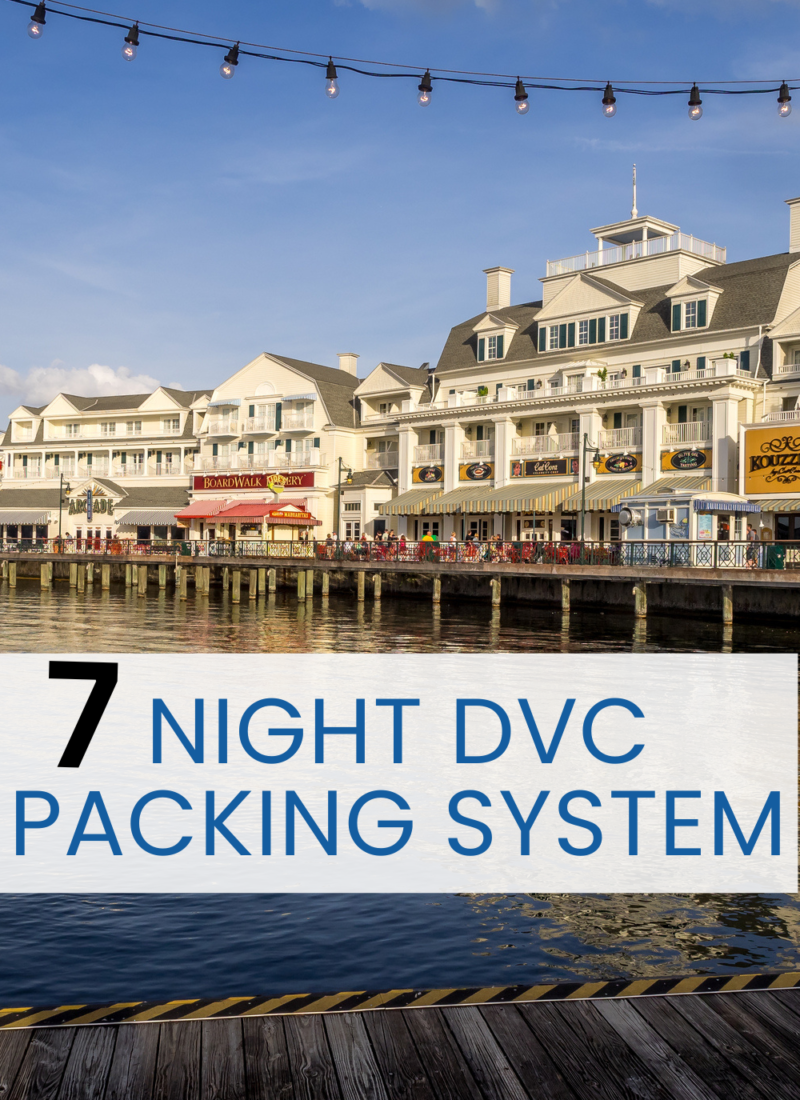
- Full Kitchens Change Your Packing Strategy – One-bedroom villas and larger come with full kitchens, including a stove, oven, full-size fridge, microwave, dishwasher, and all the cookware you need. This is a game-changer for families who want to skip expensive theme park breakfasts or pack snacks and drinks without relying on Disney’s grocery delivery fees. You can stock your fridge with breakfast supplies, make sandwiches for the parks, and save a significant amount on food costs over a week-long trip. Even studios come with a kitchenette that includes a microwave, mini-fridge, and coffee maker, which still gives you more flexibility than a standard hotel room. Want to know how to pack efficiently for a 7 Night DVC stay? Check out my packing system for a family of 5, with tips on a quicker, smaller travel party.
- Locking in Future Vacation Costs – While your annual dues will increase, your point cost per night stays relatively stable. If Disney resort prices continue climbing at 5% to 10% per year, DVC members avoid that inflation because they’ve essentially prepaid for decades of vacations. This works in your favor if you’re a frequent visitor who plans to keep returning for 20+ years.
- Resale Value Exists – If you decide DVC isn’t working for your family anymore, you can sell your contract on the resale market. You won’t get back what you paid if you bought directly from Disney, but resale contracts hold value better than most timeshares. Some contracts even appreciate slightly if demand for that resort is high and Disney stops selling points there.
- Renting your points- Though they won’t mention this when they are trying to sell you a DVC contract, it is perfectly legal and common to rent out your DVC points if you don’t plan on using them, or using all of them. This is something my family has done quite often, and it can definitely help with those dues!
The perks are real, but they only pay off if your travel habits align with how DVC is designed to be used.
Cons of DVC
The downsides are where most regretful buyers wish they’d paid closer attention.
The Upfront and Ongoing Costs Can Be Massive
Even if you buy resale and score a discount, you’re still dropping $15,000 to $30,000 upfront, and then you’re locked into paying $1,200+ every single year whether you use your points or not. If your family hits a financial rough patch, gets busy with work, or simply wants to skip Disney for a year, those dues don’t pause. You’re paying for a vacation you’re not taking.
Availability Can Be Hard at 7 Months
DVC members can book their home resort starting 11 months out, but if you want to stay at a different resort, you’ll have to wait until the 7-month window opens. By that point, many of the most desirable resorts and room types are often gone, especially during peak travel times like spring break, Thanksgiving, or Christmas. You might own enough points for a week-long stay, but if nothing is available, those points sit unused or force you to settle for a resort or travel dates you didn’t want.
This has become more of an issue over the last few years with more contracts being sold but if you are flexible in where you stay (all DVC resorts are nice but some are just farther from the parks than others) or you are willing to do a split stay (stay at two different locations over that week) then it will be easier.
You’re Locked Into Disney Vacations
DVC works brilliantly if you love Disney and plan to visit multiple times per year for the next several decades. But if your kids grow up and lose interest, or your family wants to explore Europe, go on cruises, or try other vacation styles, your DVC points can become a burden. You can exchange points through RCI for non-Disney properties, but the value is not great, and you’ll almost always get more vacation for your money by just booking those trips separately.
Dues Increase Every Year Without Fail
Historically, annual dues have increased by an average of 3% to 5% per year, and some resorts have seen even steeper increases. Over 20 years, your $1,500 annual bill could easily double to $3,000+, and there’s no cap on how high they can go. Disney controls the budget, and as older resorts require more maintenance or property taxes rise, those costs get passed directly to owners.
Resale Restrictions Limit Your Options
If you buy resale to save money, you lose access to certain benefits depending on when the contract was originally sold. Resale buyers can’t book at the Riviera or any future resorts built after 2019, can’t use points for Disney Cruises or Adventures by Disney tours (though the value on this isn’t great anyway), and lose some exchange flexibility. If those perks matter to you, you’re forced to pay full price buying directly from Disney.
This isn’t a low-commitment decision. You’re signing up for decades of payments and Disney-focused travel. For some that’s a dream, for others a nightmare.
Renting DVC Points vs Buying
If you love staying at DVC resorts but aren’t ready to commit to ownership, renting points from current members is one of the smartest strategies to start with.
As I mentioned above current DVC owners who aren’t using all their points in a given year can rent them out to other families, typically charging around $18 to $22 per point. You get the exact same accommodations, the same resorts, and the same experience as an owner, but without the $40,000 upfront cost or the annual dues. You also get access to the Extended Evening Hours!
Here’s how the math works: A 5-night stay in a studio at a DVC resort during a moderate season might cost around 80 points. If you rent those points at $20 per point, you’re paying $1,600 for the stay. Booking that same studio directly through Disney as a cash reservation could easily run $3,000 to $4,000, so you’re saving 40% to 50% without any long-term commitment.
The downside is availability. You’re relying on owners who have extra points to rent, and you need to book several months in advance to secure popular resorts and travel dates. You also lose the flexibility to cancel or modify your reservation as easily as a standard hotel booking, but companies like the DVC store offer some flexibility with cancelling and most rental servcies have a big variety of resorts to choose from at any given time.
But for families who visit Disney once every year or two and want deluxe accommodations without the financial burden of ownership, renting points is one of the best deals in the Disney ecosystem. If you want to explore this option deeper, I’ll be covering renting strategies, trusted rental platforms, and how to avoid scams in a future post.
Who DVC Is BEST For

Disney Vacation Club makes financial and practical sense for a very specific type of family.
- You visit Disney multiple times per year. If you’re already spending $5,000 to $8,000 annually on Disney resort stays, DVC starts paying for itself much faster. Families who take two or three trips per year, or who combine a week-long vacation with a few long weekends, see the value almost immediately.
- You prefer deluxe resorts and don’t want to downgrade. If staying at the Grand Floridian, Polynesian, or BoardWalk is non-negotiable and you refuse to settle for value or moderate resorts, DVC locks in that experience at a lower per-night cost over time.
- You have young kids and a 20+ year Disney travel plan. Families with toddlers or elementary-aged children who know they’ll be visiting consistently for the next two decades get the most value. By the time your kids are teens, you’ve likely hit your break-even point, and every trip after that feels like a win.
- You want full kitchens and space for extended family. If your travel style includes grandparents, multiple kids, or friends joining your trips, the ability to book two-bedroom villas with full kitchens and laundry makes DVC far more appealing than cramming everyone into multiple hotel rooms.
- You’re financially comfortable and treat DVC as a lifestyle choice, not an investment. If the upfront cost and annual dues don’t strain your budget, and you view DVC as a way to guarantee high-quality family vacations rather than a financial play, the commitment feels much lighter.
DVC works when your family’s travel habits, budget, and long-term plans align perfectly with what the program offers.
Who Should NOT Buy DVC
If any of these situations describe your family, DVC is probably a mistake.
- You’re stretching financially to afford the purchase. If buying DVC means draining your emergency fund, skipping retirement contributions, or financing the full amount at high interest rates, walk away. This is a luxury purchase, not a necessity, and it should never put your financial stability at risk.
- You only visit Disney once every few years. If your family goes to Disney World every three to five years, you’ll never break even. The annual dues will pile up during the years you don’t visit, and you’d save more money just paying cash for hotel rooms or renting points when you do go.
- Your kids are already teenagers. Families with older kids who are close to aging out of the Disney phase are buying at the worst possible time. Once your teenagers head to college or start traveling on their own, your DVC points might become an expensive obligation that’s hard to justify. However, if you would travel to Disney without kids or don’t have them then this point becomes unimportant.
- You like variety in your vacations. If your family enjoys trying new destinations, cruising to different countries, or exploring non-Disney experiences, locking yourself into 30+ years of Disney-focused travel will feel restrictive within a few years.
- You’re not sure you’ll use your points every year. DVC isn’t a passive investment. You have to actively plan trips, book accommodations, and use your points, or they expire. If you prefer spontaneous travel or know your schedule is unpredictable, the pressure to use points can turn into stress rather than excitement. But keep in mind you can rent your points out, it’s still not considered a money making investment, but it can help you break even if not using your points.
- You’re hoping DVC is a financial investment. This isn’t real estate that appreciates. While resale contracts hold some value, you’re not buying DVC to make money. You’re buying it to lock in vacation costs, and if that’s not your primary goal, the financial return won’t justify the expense.
If even one of these red flags applies, you’re better off renting points or just booking standard Disney resort stays when it makes sense.
My Personal Experience as a DVC Member
I bought into DVC nine years ago with 185 points at the Polynesian, and my experience has been a mix of genuine wins and times when I wasn’t able to use the points (but did rent them out).
The best part has been the consistency and the magic. My family as a whole visits either Disney World or Disneyland at least once every 2 years, and I sometimes go with friends yearly. Knowing we have a one-bedroom villa or even a value studio waiting for us at a resort we love has eliminated the stress of comparing hotel prices, debating whether to downgrade to save money, or worrying about availability during peak seasons. The full kitchen has saved us thousands of dollars in food costs, especially on longer trips where we’re feeding a family of five breakfast and snacks every day.
The worst part has been the availability struggle. Booking at my home resort at 11 months is smooth, but trying to book something at Disneyland is especially difficult, as are the cheapest rooms (Animal Kingdom value), which go very fast. I have ended up using more points than planned to book a one-bedroom at a resort that was farther away, or having to book split stays and bounce around (though I often like a split stay as long as I can stay in one place for at least 2 nights).
The annual dues sting sometimes. I knew they’d increase, but seeing the bill climb from $1,200 in year one to nearly $1,500 in year nine makes me hyper-aware that this cost never stops.
Overall, DVC has worked for me because I’m a committed Disney fan who truly loves Disney vacations and will find any excuse to plan one. The break-even timeline made sense, and we genuinely enjoy the space and amenities of DVC properties. But I completely understand why this model doesn’t work for everyone, and I’d never recommend it to someone who isn’t 100% sure they’ll use their points every single year for at least the next decade.
DVC isn’t a magic solution to Disney vacation costs. It’s a long-term commitment that pays off only if your family’s travel patterns, budget, and priorities align with what the program offers. Run the numbers, be honest about how often you’ll actually visit, and don’t let the sales presentation pressure you into a decision you’ll regret in five years. If the math works and you’re genuinely excited about locking in deluxe Disney vacations for the next 20+ years, DVC can be incredible. If you have any doubts, renting points or booking cash stays gives you all the flexibility without the financial anchor.

Shelley has been going on Walt Disney World trips since she was a toddler growing up in South Florida. Since then, she has expanded her interests and passion to include Disneyland and runDisney trips. She is a Disney College of Knowledge-certified Travel Planner, runner, Physician, mom of three, and all-around Disney fan. She believes the magic is in the details of any Disney or runDisney trip!


Leave a Reply
You must be logged in to post a comment.